Buying a house with knob and tube can work out well if you learn the scope while you can still act on it: how much of the wiring is live, what replacing it will cost, and whether you can insure the house on the timeline a carrier gives. Decker Boston Knob and Tube arranges circuit tracing and knob and tube replacement for Boston-area buyers, carried out by licensed and insured electricians.
The risk is less the wiring than the calendar. Inspection contingencies are short, insurers ask early, and some set deadlines that land in the first weeks of ownership.
What a home inspection can and can’t tell you
A general home inspection is a visual survey of the whole house, not a test of each system. On wiring, it is good at spotting evidence and limited at measuring it.
| A home inspector can usually report | An electrician tracing circuits can add |
|---|---|
| Porcelain knobs and tubes in the basement or attic | Which of those runs carry power today |
| A fuse panel, and fuses that look oversized | Whether each fuse matches the wire it protects |
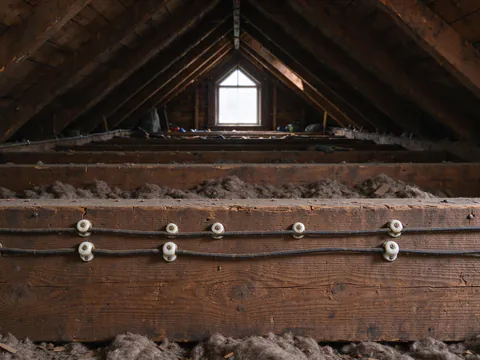
| Two-prong outlets and a few ungrounded three-prong ones | Which rooms are fed by knob and tube behind modern-looking outlets |
| Visible splices to newer cable | Where else old and new wiring meet out of sight |
| Insulation lying over old runs | Whether those runs are live, and what Mass Save would need certified |
The identification guide explains what the visible evidence looks like, and the live wiring guide covers how an electrician proves a run is dead.
Three questions to answer before closing
How much is live?
This single answer sets everything else. A house where earlier owners replaced most circuits, leaving a few attic-fed ceiling lights, is a small job. A house still running mostly on original circuits is a whole-house rewire. Ask for the findings in writing, room by room.
What will replacement cost?
With the circuit map in hand, the work can be priced. The main drivers are the count of live circuits, stories, attic and basement access, plaster walls, the panel and the patching. Boston-area whole-house jobs fall in a typical budgeting range of $8,000 to $25,000 or more, and a fuse box or small service upgraded alongside adds a typical Massachusetts range of $3,000 to $6,500 (panel cost guide).
Can you insure it on time?
Ask for a binding quote that names the wiring, not a general estimate. Homeowners report carriers writing a policy and then setting anywhere from about 10 days to 60 days to remove knob and tube or prove it isn’t live, while others decline outright and point owners to the state’s FAIR Plan (insurance guide).
A sequence that fits a contingency
- Book the home inspection as early as the contract allows.
- If it notes knob and tube, book an electrician to trace circuits within days, not weeks.
- Send the findings to your insurance agent and get a written answer on terms and deadlines.
- Get the replacement priced from the circuit map.
- Negotiate with that written scope in hand.
- Ask your lender early whether its loan or appraisal rules have anything to say about the wiring; requirements vary by program.
Negotiating the work
There are three common outcomes, each with a different balance of money and control.
| Outcome | How it works | Watch for |
|---|---|---|
| Price reduction | The purchase price drops to reflect the work | Lowers the loan amount too; you pay for the work after closing |
| Seller credit | Money toward the work at closing | Lender limits on credits may apply; ask your lender |
| Seller repair | The seller arranges the work before closing | You don’t choose the scope or the electrician; ask for the permit, the final inspection and a completion summary |
Whatever you agree, write down what “done” means. “Knob and tube removed” should mean no knob and tube remains in service, not that the visible basement runs were swapped while the wall circuits stayed live.
After closing: the first weeks
If the insurer has set a deadline, the clock starts at closing. A vacant house is the easiest one to rewire: no furniture to move, no residents to keep powered, and patching can finish before you unpack. Work still follows a fixed order, with the permit filed by a licensed electrician and the rough-in inspected before walls close (how replacement works).
Plan insulation after the wiring
If you plan a Mass Save Home Energy Assessment, expect the wiring to come up again. Mass Save won’t insulate where knob and tube is present until a licensed electrician has dealt with it and certified the work areas. Doing the rewire first lets the insulation follow without a second interruption (insulation barrier work).
Help with the cost
Most help depends on income and timing. Mass Save offers moderate-income households up to $7,000 toward eligible removal costs and 0% HEAT Loan financing after an assessment, and Boston’s Home Center offers deferred 0% repair loans to income-eligible owner-occupants. None of the Boston Home Center programs reimburse work done before approval, so apply before signing a contract (grants guide).
Which houses are manageable, and which need more thought
| Usually manageable | Worth slowing down for |
|---|---|
| A few circuits left on knob and tube, the rest replaced | Most circuits still original, on a small fuse panel |
| Open basement ceiling and a walkable attic | Finished basement and a floored or flat-roofed attic with no easy path |
| Old runs intact and clear of insulation | Insulation blown over live runs |
| Records of earlier permitted electrical work | Scorch marks, oversized fuses or many buried splices to newer cable |
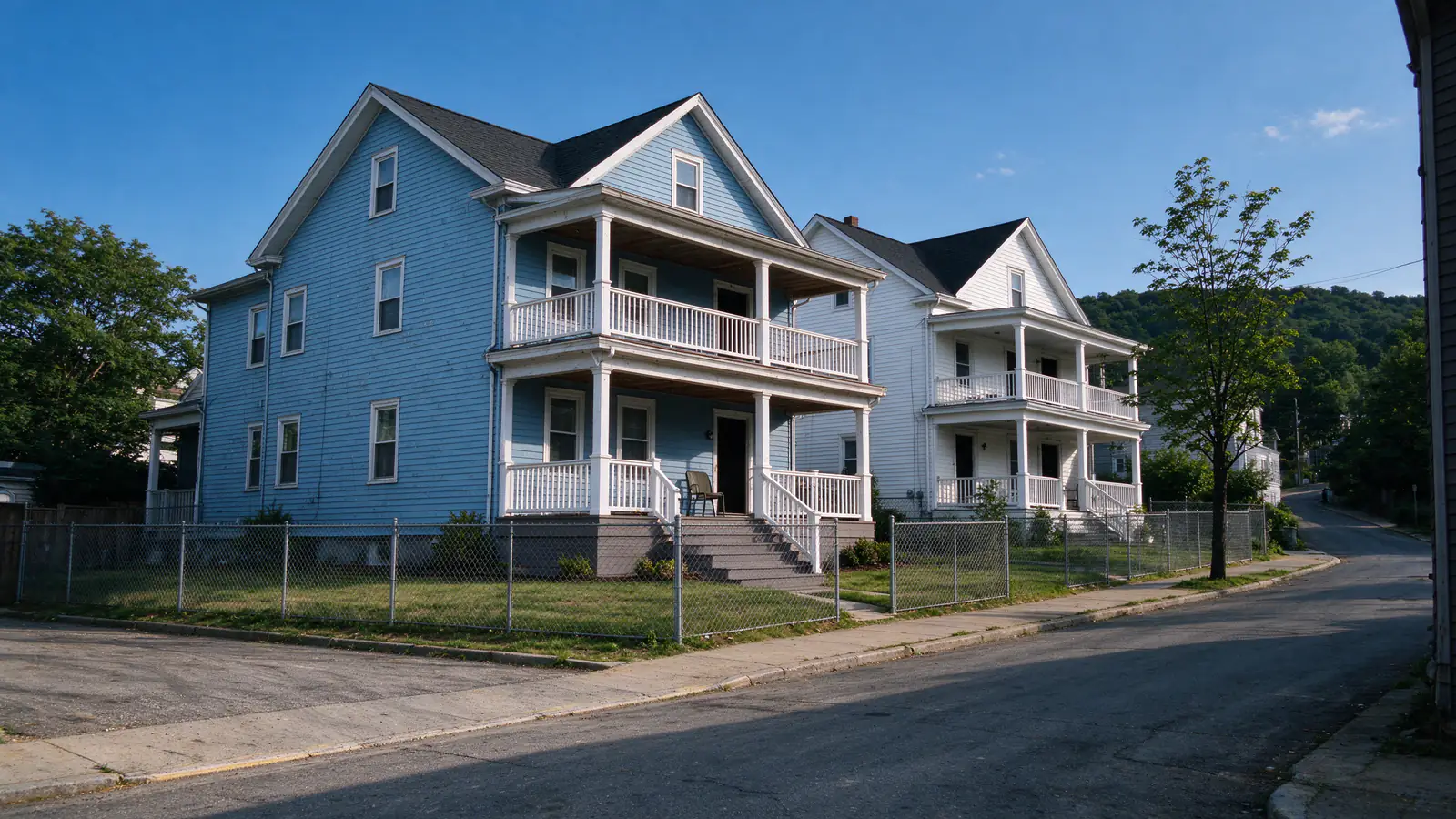
Neither column makes the decision for you; it tells you how much the wiring is likely to cost in money and time. In a triple-decker or two-family house, ask the same questions unit by unit.
To get the circuits traced while your contingency is still open, call Decker Boston Knob and Tube at (617) 405-3599 or ask for an estimate.